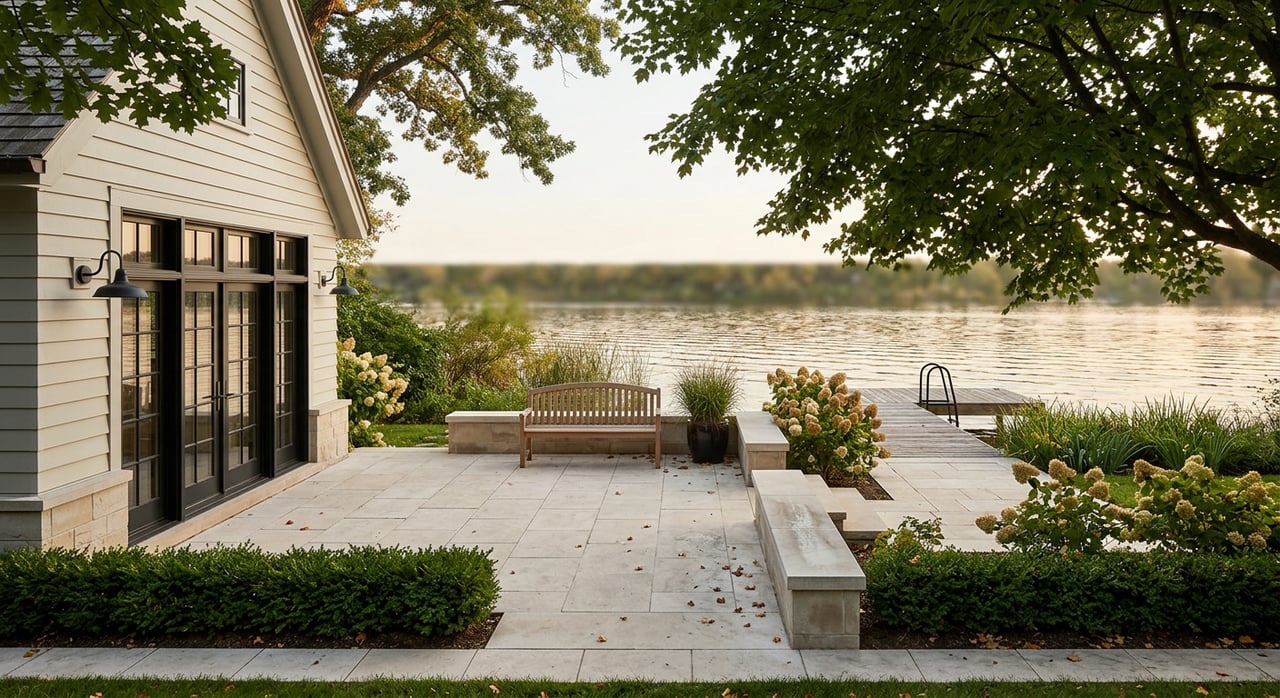
Picture your morning coffee on a quiet shoreline, boats drifting by, and sunset walks along a 794-acre lake. If you’re exploring a home near the water in Cedar Lake, you likely want that everyday access to nature with the convenience of town amenities. In this guide, you’ll get clear, buyer-friendly tips on property types, docks and permits, utilities, flood risk, and smart timing so you can purchase with confidence. Let’s dive in.
Why Cedar Lake living appeals
Cedar Lake centers around a roughly 794-acre inland lake with a public beach, parks, and town events like SummerFest that bring energy to the shoreline area. You’ll find a mix of quiet coves and active recreation spots, so it pays to understand each neighborhood’s rhythm. The town maintains public access points and parks that shape parking, seasonal traffic, and activity near certain blocks. You can review public facilities and events on the Town of Cedar Lake site.
If you boat, local services matter. A long-standing marina provides dock work, winter storage, and guidance on lift maintenance, while the Cedar Lake Yacht Club hosts sailing and regattas that influence boating patterns. Check out Lakeside Marina for service options and the Cedar Lake Yacht Club for club programs and slip details.
Property types near the water
Lakefront parcels
These lots touch the water and may include riparian rights and the potential for a private dock. Rights can vary by deed, easement, and prior permits, so do not assume a dock or slip transfers with the sale. Ask for the deed, any recorded easements, and a current survey that shows the high-water line.
Deeded or shared lake access
Many homes offer access to a community beach, shoreline strip, or shared dock without being directly on the water. Rules for boat storage, slip allocation, and guest use are usually set by a homeowners or property owners association. You can see examples of local associations in public business listings for Cedar Lake on City-Data.
Canal or slip-focused homes
Some properties sit on small channels or come with a private slip. Others rely on a marina for slip access. Policies for slip usage, waitlists, or transfers vary widely. Confirm the arrangement in writing and speak with the HOA or marina directly before you make an offer.
Condos and association communities
Condo and HOA-managed properties often include rules for docks, boat lifts, shoreline landscaping, and short-term rentals. Get the covenants, conditions, and restrictions, plus budgets, meeting minutes, and any special assessment history early in your review.
Permits, rules, and shoreline rights
Cedar Lake’s zoning and stormwater requirements apply to shoreline homes, additions, and accessory structures. If you plan to add or rebuild a dock, lift, seawall, or anything that affects the lake or shoreline, expect town review and, in many cases, state review as well. Start with the town’s zoning and stormwater ordinances and confirm permit records with the seller.
For projects that alter the shoreline or lakebed, Indiana DNR review often applies. The state’s waterway authorization process is active on Cedar Lake, and filings such as aerator installations appear on the IDNR calendar. You can see a sample entry in the Indiana DNR permit calendar. Ask the seller for copies of any issued permits or approvals.
Utilities and infrastructure to verify
Some lakeside neighborhoods are connected to municipal sewer, while others may still use septic systems. The town and Utility Board have multi-year water and sewer projects underway, including interceptor and water main work, which can affect certain areas. Before you buy, confirm whether the property is on municipal sewer, part of a sanitary district, or on septic, and check for any related assessments. Recent Utility Board minutes are a helpful starting point, such as the April 27, 2023 minutes.
Shoreline, docks, and maintenance budget
Seawalls and erosion control
Shoreline stabilization is a recurring need on inland lakes. Concrete seawalls can require re-facing, riprap may need refreshing, and vegetative buffers help reduce erosion. Work at or below the ordinary high-water line typically requires local approvals, and sometimes state review. Begin with the town’s ordinance and permitting resources to understand the basics.
Docks, lifts, and service
Docks and lifts have limited lifespans, and repairs or replacements can add up. Budget for a structural inspection during due diligence and plan for seasonal installation, removal, and winterization. Local providers such as Lakeside Marina can give cost guidance and service options. If a past owner completed structural dock work or shoreline changes, verify that required state permits were obtained. Review the IDNR’s waterway authorization listings for context on common project types.
Stormwater and water quality
Lakes respond to what flows into them. Good stormwater management on your lot reduces runoff and nutrient loading. If you plan landscaping or hardscape changes, understand best practices for buffers and drainage. The town outlines stormwater rules in its code resources, and the EPA provides background on lake-friendly practices in its shoreline and lake-management guidance.
Flood risk and insurance
Flood risk can vary by parcel. Lenders rely on FEMA Flood Insurance Rate Maps to determine requirements, and the town references specific FIRM panels in its planning materials. Always run the property address through the FEMA map service and ask the seller about any prior flood claims. Town packets referencing FIRM panels are a good starting point, like this Town Council packet.
Seasonality tips for showings
- Summer highlights the lifestyle. Full water levels, boating, and green views make it easy to imagine life on the lake, but dense vegetation can hide shoreline issues. Expect more buyer activity in peak months, which can reduce negotiation room.
- Off-season reveals structure. Late fall through early spring can expose seawall frost heave, ice damage, and shoreline conditions. You may find stronger negotiation opportunities when maintenance needs are clearer. IDNR filings show examples of winter aeration and lake projects, reinforcing the value of off-season checks.
- Year-round must-do inspections. Order a dock and lift inspection, seawall or bulkhead review, septic inspection or sewer hookup verification, a full home inspection, and a current survey that identifies the high-water line and any easements.
Buyer checklist for Cedar Lake
- Confirm property type: lakefront, deeded-access, canal or slip-dependent, or lake-view. Get the deed and a current survey.
- Request all permits and as-builts for seawalls, docks, lifts, and shoreline work. Verify needs with the town’s ordinance pages and check for state authorizations where applicable.
- Order specialized inspections: dock and lift, seawall or shoreline structure, septic or sewer verification, full home inspection focused on moisture and drainage.
- Check flood status. Use FEMA resources and lender determinations. Review town references to FIRM panels in the Town Council packet for context.
- Review HOA or POA documents. Ask for covenants, budgets, minutes, and any special assessment history. Public business listings, like City-Data’s Cedar Lake associations page, can help you identify the association.
- Ask about water-quality history. Request information on algae, weeds, or mussels and whether any control or aeration programs are in place. See the IDNR waterway calendar example for the kinds of projects that may occur on the lake.
- Confirm slip or storage needs early. If a private slip matters, clarify transfer rules. If you rely on a marina, contact Lakeside Marina about availability and waitlists.
- Verify utilities and upcoming projects. Check municipal water pressure, sewer connection status, and any planned projects or assessments using recent Utility Board minutes.
Next steps
Buying near Cedar Lake should feel exciting, not overwhelming. With the right plan and local guidance, you can secure the access and views you want while protecting your investment. If you’re ready to tour, compare options, or map out inspections and permits, connect with Carol Allegretti for local, step-by-step support.
FAQs
What should I verify first when buying near Cedar Lake?
- Identify whether the home is lakefront, deeded-access, canal or slip-dependent, or lake-view, then request the deed, survey, and any HOA documents before making an offer.
Do I need permits for dock or seawall work on Cedar Lake?
- Most shoreline, dock, lift, and seawall projects require town approvals, and many also need Indiana DNR review. Start with the town’s zoning and stormwater ordinances.
How can I check if a lakeside home is on sewer or septic?
- Confirm with the Town of Cedar Lake and review recent Utility Board minutes to understand current connections and ongoing projects.
What inspections are most important for Cedar Lake homes?
- Order a dock and lift inspection, seawall or shoreline-structure review, septic inspection or sewer verification, a full home inspection, and a current survey showing the high-water line and easements.
How does seasonality affect showings and negotiations at Cedar Lake?
- Summer showcases the lifestyle but can hide maintenance issues, while late fall to early spring reveals structural conditions that may improve your negotiating position.
Where can I learn about local rules and events that impact lake living?
- Review the Town of Cedar Lake site for parks, public access, events, and the town code pages for zoning and stormwater rules.